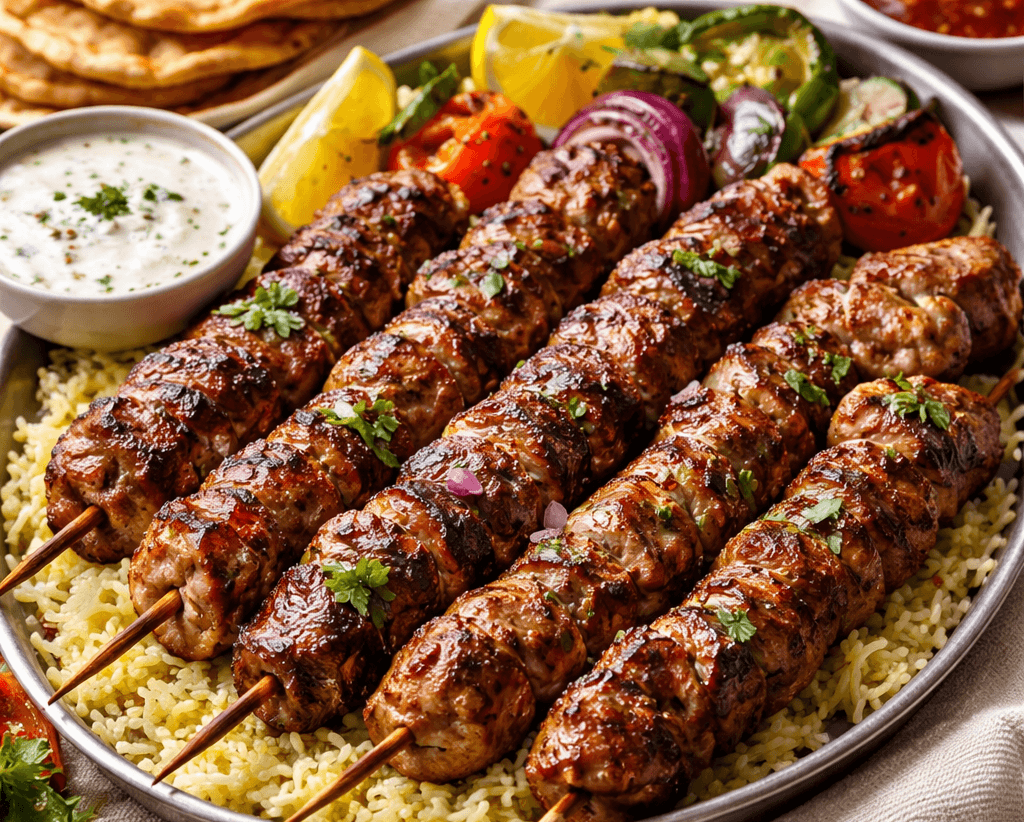
Special GOAT & LAMB Kebab – Recipe Guide
Ingredients 500g minced goat or lamb (or a mix of both) 2 tbsp Eastern Special
Fresh vegetables are a cornerstone of healthy meals, especially for growing kids. But simply grabbing whatever’s on the shelf isn’t doing your family or your wallet any favours. Picking the right vegetables helps ensure you’re serving meals that are not only nutritious but also delicious and satisfying.
Pre-cut veggies might look convenient, but they often lose flavour and nutrients quickly. Whenever possible, pick whole, unprocessed vegetables. They stay fresh longer and offer better taste.
Seasonal vegetables are typically fresher, more affordable, and have a better taste. When produce is in season, it hasn’t spent days in transport. That means more flavour and better texture for your family meals.
There’s nothing worse than getting home and realising your veggies are already halfway to the compost bin.
Buying in bulk might feel like a good deal—but not if you throw half of it away. Plan your week’s meals and buy just enough to cover what you’ll cook. A little planning goes a long way.
That oddly shaped tomato or wonky carrot is still perfectly fine, sometimes even tastier than the perfect ones. Don’t let appearances fool you. It’s about freshness and quality, not beauty.
When in doubt, use your instincts.
The brighter and deeper the color, the more flavor and nutrients a veggie is likely to have. Firmness indicates freshness. Avoid limp or overly soft vegetables.
Fresh vegetables should smell fresh. If something smells sour, overly earthy, or just off, trust your nose, it’s a no-go.
Heavier vegetables usually mean they’re juicier and fresher. For example, a cucumber that feels too light may be dried out inside.
Knowing what’s in season helps you pick the freshest veggies and avoid the ones that have been in cold storage for too long. Bonus: seasonal produce is usually cheaper too.
Store leafy greens, carrots, and broccoli in the fridge.
Keep onions, potatoes, and garlic in a cool, dark pantry.
Tomatoes? Store them on the counter, they’ll turn mealy in the fridge.
Too much moisture causes rot. Keep veggies dry in the fridge by lining storage bags with a paper towel. Don’t wash veggies until just before use unless you're prepping for cooking.
Fruits like apples and bananas release ethylene gas, which speeds up ripening. Keep them away from sensitive vegetables like leafy greens and cucumbers.
Make it fun, they’ll be more likely to eat what they picked!
Rotate veggies each week and involve your family in the process. Who knows, they might discover they love roasted beetroot or sautéed Brussels sprouts.
Choosing vegetables doesn’t have to be complicated, but it does need some attention. By avoiding common mistakes and making smart, sensory-based choices, you’ll save money, reduce food waste, and serve tastier, healthier meals.
Make it a habit to shop with your eyes, hands, and nose. Get the kids involved. Buy with purpose. And most of all, enjoy the freshness that comes with great choices.
If you’re in Melbourne, check out our range of fresh vegetables at Eastern Halal Butcher. Order online and get them delivered straight to your doorstep for ultimate convenience and quality.
Check for firmness, bright color, and lack of soft spots or bruises. Fresh veggies also have a mild, earthy smell.
Carrots, cabbage, and beets are known for their long shelf life if stored properly in the fridge.
Yes, as long as the blemish is minor and the rest of the vegetable is firm and fresh. Just cut off the bad part before cooking.
Plan your meals, store vegetables properly, and try freezing leftovers or unused portions.
Onions, garlic, potatoes, and pumpkins should be stored in a cool, dry place, definitely not the fridge.
Ingredients 500g minced goat or lamb (or a mix of both) 2 tbsp Eastern Special

Table of Content Overview Savor the Savings on Halal Meat Fresh Fruits & Vegetables at
Why You Should Buy Meat from Your Local Butcher When it comes to purchasing meat,

Eastern Halal Butcher provides community services such as Akikah and Qurban and we also offer bulk discounts….ideal for restaurants and commercial catering.
Concept, Design, Development & SEO By Techsphereglobal